Minimally Invasive Knee Joint Evaluation and Treatment by Dr. Girish Dhanawat
Knee pain, swelling, stiffness and instability can affect everyday activities such as walking, climbing stairs, exercising and participating in sports. These symptoms may develop due to meniscus tears, ligament injuries, cartilage damage or other problems within the knee joint.
While many knee conditions improve with physiotherapy, medication, activity modification and other non-surgical treatments, certain injuries may require surgical intervention.
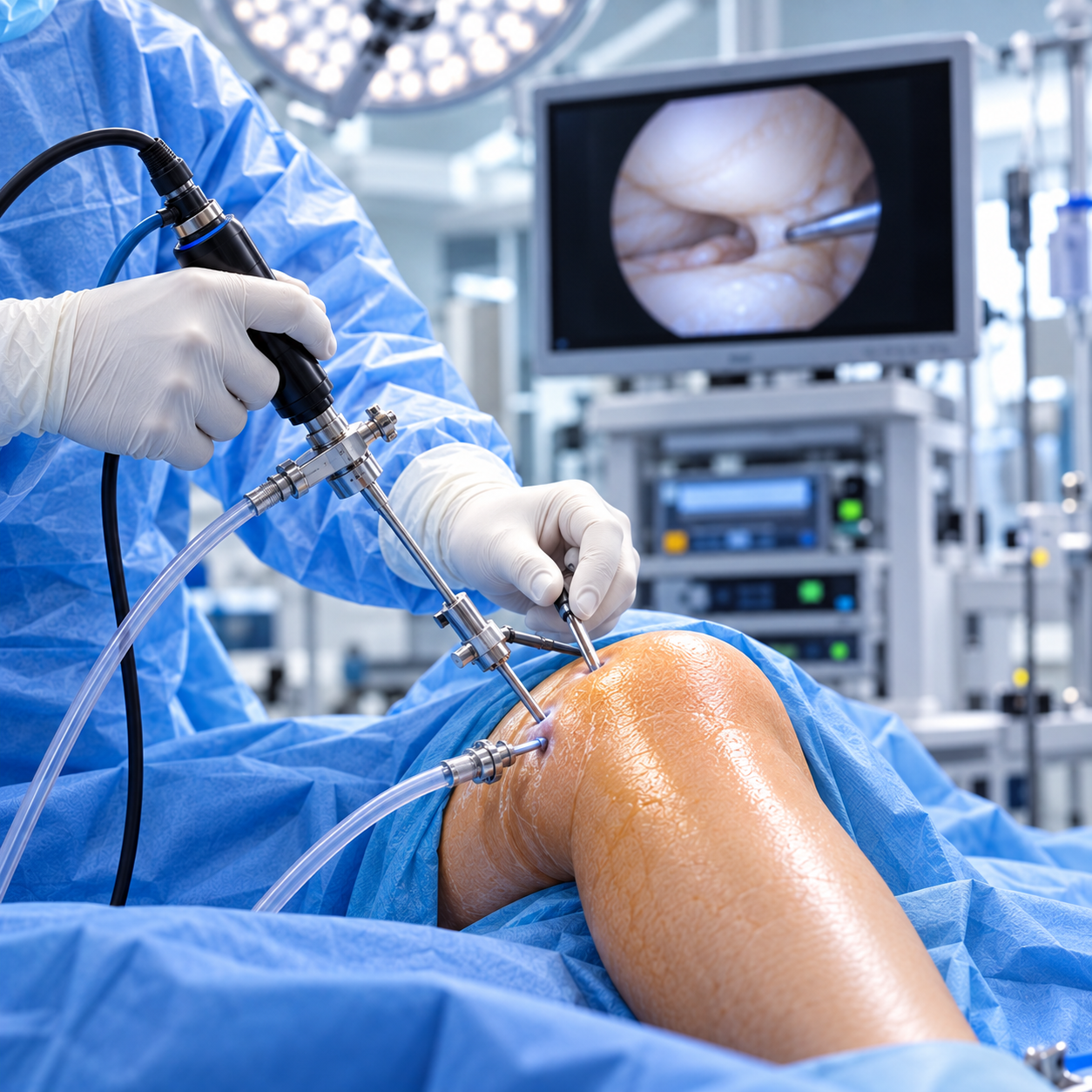
Knee arthroscopy surgery in Thane is a minimally invasive procedure that allows an orthopaedic surgeon to examine and treat selected problems inside the knee joint using a small camera and specialised surgical instruments.
Compared with traditional open surgery, arthroscopy generally involves smaller incisions and less disruption to surrounding soft tissues. However, recovery varies depending on the condition treated and the procedure performed.
Dr. Girish Dhanawat, an Orthopedic Surgeon and Joint Replacement Specialist in Thane, provides clinical evaluation and individualised treatment planning for patients experiencing knee pain, sports-related injuries and joint problems.
His approach focuses on accurate diagnosis, appropriate treatment selection, preserving healthy joint structures where possible and guiding patients through rehabilitation.
Whether you have a suspected meniscus tear, ongoing knee instability or persistent symptoms after an injury, an orthopaedic consultation can help determine whether knee arthroscopy or non-surgical treatment is suitable.
Book a Knee Arthroscopy ConsultationWhat Is Knee Arthroscopy Surgery?
Knee arthroscopy is a minimally invasive orthopaedic procedure used to examine and treat certain conditions affecting structures inside the knee joint.
The procedure uses an arthroscope, a thin instrument equipped with a small camera and light source.
During surgery, the orthopaedic surgeon makes small incisions around the knee and inserts the arthroscope into the joint.
Images from the camera are displayed on a monitor, allowing the surgeon to examine the meniscus, cartilage, ligaments and other internal knee structures.
If appropriate, specialised surgical instruments are inserted through additional small incisions to repair or treat the damaged tissues.
Knee arthroscopy may be used to:
- Diagnose selected internal knee problems
- Repair certain meniscus tears
- Remove damaged meniscal fragments when necessary
- Assist with ligament reconstruction
- Remove loose bone or cartilage fragments
- Treat selected cartilage injuries
- Remove inflamed synovial tissue
- Address certain kneecap-related conditions
- Wash out and treat selected knee joint infections
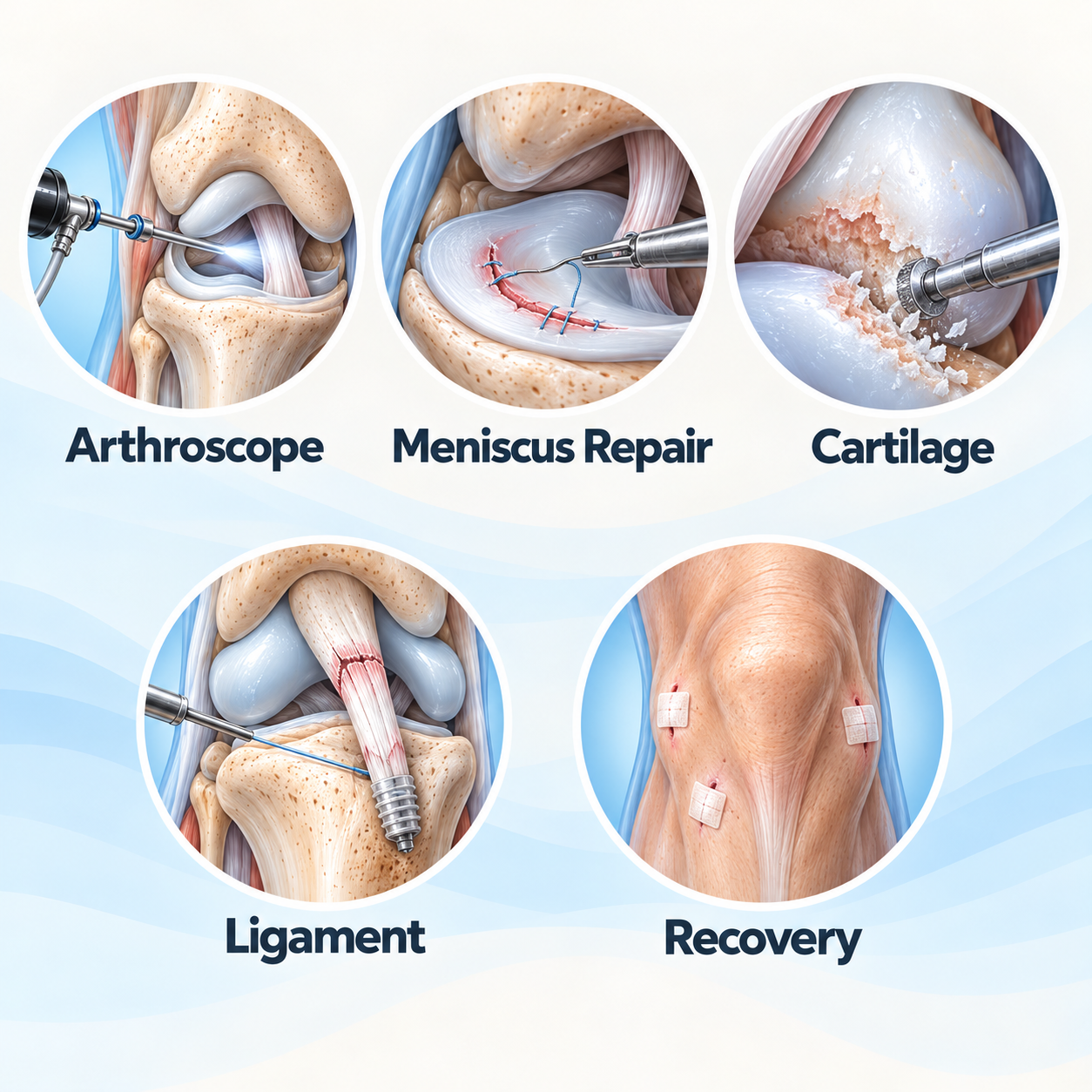
The main objectives are to address treatable structural problems, reduce associated symptoms and support improved knee function.
However, knee arthroscopy is not necessary for every painful knee condition and is generally not recommended as a routine treatment for uncomplicated degenerative knee arthritis.
Understanding the Structure of the Knee Joint
The knee is a complex weight-bearing joint that connects the thigh bone (femur), shin bone (tibia) and kneecap (patella).
Several structures work together to provide movement, stability and shock absorption.
1. Meniscus
The knee contains two C-shaped pieces of fibrocartilage called the medial and lateral menisci.
They help distribute weight, absorb shock and stabilise the joint.
Meniscus tears may occur due to twisting injuries or age-related degeneration.
2. Articular Cartilage
Articular cartilage covers the ends of the bones and allows smooth movement within the joint.
Cartilage damage may cause pain, swelling and restricted movement.
3. Anterior Cruciate Ligament (ACL)
The ACL is a major ligament that helps control forward movement and rotation of the shin bone.
ACL injuries commonly occur during sports involving sudden direction changes, jumping or pivoting.
4. Posterior Cruciate Ligament (PCL)
The PCL helps prevent excessive backward movement of the shin bone.
It may be injured during road accidents, falls or direct impact to the bent knee.
5. Collateral Ligaments
The medial and lateral collateral ligaments help stabilise the knee against sideways forces.
6. Synovial Membrane
The synovial membrane lines the knee joint and produces lubricating fluid.
Inflammation of this membrane may contribute to pain and swelling.
Understanding which structure is damaged helps the orthopaedic surgeon determine the most appropriate treatment.
Who May Need Knee Arthroscopy Surgery in Thane?
Knee arthroscopy may be considered when a patient has a treatable structural knee problem, particularly when symptoms persist despite appropriate non-surgical management.
1. Meniscus Tears
A meniscus tear may occur after twisting the knee during sports, exercise or daily activities.
Common symptoms include:
- Pain along the knee joint
- Swelling
- Clicking or catching sensations
- Difficulty bending or straightening the knee
- Occasional locking
- Discomfort during squatting or twisting movements
Some meniscus tears improve with physiotherapy and activity modification.
Surgery may be considered for selected traumatic tears, displaced tears causing mechanical blockage or persistent symptoms associated with a surgically treatable tear.
2. Anterior Cruciate Ligament (ACL) Injuries
ACL tears often occur during activities involving sudden stops, pivoting or awkward landings.
Symptoms may include swelling, instability and a sensation that the knee is giving way.
Arthroscopy is commonly used as part of ACL reconstruction when surgery is appropriate.
However, not every ACL injury requires surgical reconstruction.
3. Posterior Cruciate Ligament (PCL) Injuries
PCL injuries may result from high-impact trauma, falls or sports accidents.
Many isolated PCL injuries can be managed non-surgically.
Selected severe or combined ligament injuries may require arthroscopically assisted reconstruction.
4. Loose Bodies Inside the Knee
Fragments of bone or cartilage may occasionally become loose inside the knee joint.
These fragments can cause catching, locking, swelling or restricted movement.
Arthroscopy may be used to remove symptomatic loose bodies.
5. Selected Articular Cartilage Injuries
Localised cartilage injuries may develop after trauma or repeated stress.
Some patients with appropriate focal cartilage defects may benefit from arthroscopic procedures.
The treatment depends on the size, depth and location of the damage.
6. Recurrent Knee Locking
True mechanical locking occurs when a physical obstruction prevents the knee from fully moving.
Displaced meniscus tears or loose bodies are possible causes.
A persistently locked knee requires prompt orthopaedic assessment.
7. Synovial Disorders
Inflammation or abnormal growth of the synovial lining can occasionally cause recurring knee swelling and discomfort.
Arthroscopic synovectomy or biopsy may be considered in selected cases.
8. Selected Patellar Problems
Certain structural problems affecting the kneecap may be treated using arthroscopic techniques, sometimes together with other procedures.
Treatment depends on the specific diagnosis and degree of instability or cartilage damage.
Symptoms That May Indicate a Knee Injury
Symptoms of internal knee injuries vary according to the affected structures and severity of damage.
Common symptoms include:
- Persistent knee pain
- Recurrent knee swelling
- Clicking or catching during movement
- Difficulty bending or straightening the knee
- Knee instability or giving way
- Pain during squatting
- Difficulty climbing stairs
- Reduced sports performance
- Pain after twisting injuries
- Restricted joint movement
- Mechanical locking
These symptoms do not automatically mean that arthroscopy is required.
A detailed clinical examination and appropriate imaging are important to determine the cause.
Seek urgent medical assessment if the knee is severely swollen after an injury, visibly deformed, unable to bear weight, persistently locked or associated with fever and significant warmth.
How Are Knee Conditions Diagnosed Before Arthroscopy?
An accurate diagnosis helps determine whether surgery is appropriate and which treatment may provide the greatest benefit.
Step 1: Medical History and Symptom Assessment
Dr. Girish Dhanawat evaluates the patient's symptoms, previous injuries, physical activity, medical history and response to earlier treatments.
Step 2: Physical Examination
The orthopaedic examination may assess:
- Knee range of movement
- Swelling and tenderness
- Ligament stability
- Meniscus-related symptoms
- Walking pattern
- Muscle strength
- Joint alignment
Step 3: X-Ray Examination
X-rays help assess bone alignment, fractures and signs of osteoarthritis.
Although meniscus and ligament injuries are not usually directly visible on X-rays, the images help exclude other causes of knee pain.
Step 4: MRI Scan
MRI provides detailed images of the menisci, ligaments, cartilage and surrounding soft tissues.
It may be recommended when a significant internal knee injury is suspected and the results could influence treatment.
Step 5: Additional Investigations
Blood tests, joint fluid analysis or other investigations may be necessary when infection, inflammatory disease or another medical condition is suspected.
Step 6: Treatment Planning
The surgeon reviews clinical findings and imaging results before discussing physiotherapy, other non-operative treatments or surgical intervention.
Types of Knee Arthroscopy Procedures
Arthroscopy can be used for several different knee procedures.
1. Arthroscopic Meniscus Repair
Meniscus repair involves placing sutures or specialised fixation devices to help a suitable torn meniscus heal.
It may be recommended for selected tears where the tissue has a reasonable healing potential.
The main aim is to preserve meniscal tissue and its protective role in the knee.
Recovery usually requires a more cautious rehabilitation programme than simple meniscal trimming.
2. Arthroscopic Partial Meniscectomy
Partial meniscectomy involves removing only the unstable or irreparably damaged portion of the meniscus.
The surgeon aims to preserve as much healthy meniscal tissue as possible.
This procedure may be considered for selected symptomatic tears that cannot be repaired.
Routine partial meniscectomy is not recommended solely because a degenerative meniscus tear is visible on MRI.
3. Arthroscopic ACL Reconstruction
ACL reconstruction involves replacing a torn ligament with a graft.
Arthroscopy allows the surgeon to visualise the joint and guide graft positioning.
Surgery may be considered for patients with ongoing instability, high-demand sporting requirements or associated knee injuries.
4. Arthroscopic PCL Reconstruction
PCL reconstruction may be recommended for selected severe injuries or persistent instability.
The procedure uses a graft to restore ligament function and requires structured rehabilitation.
5. Arthroscopic Loose Body Removal
Loose fragments of bone or cartilage may be removed using specialised instruments.
The procedure may help relieve mechanical catching or locking caused by the fragments.
6. Arthroscopic Cartilage Procedures
Selected focal cartilage defects may be treated using procedures such as debridement, microfracture or other cartilage restoration techniques.
The suitability and long-term benefits depend on the defect and patient characteristics.
7. Arthroscopic Synovectomy
Synovectomy involves removing selected areas of inflamed or abnormal synovial tissue.
It may be considered for certain synovial disorders when clinically indicated.
8. Arthroscopic Knee Joint Washout
Urgent arthroscopic irrigation and debridement may be used to manage certain cases of septic arthritis.
A suspected infected knee joint requires emergency hospital evaluation and timely treatment.
Benefits of Knee Arthroscopy Surgery
For appropriately selected knee conditions, arthroscopy may offer several advantages.
Smaller Surgical Incisions
The procedure generally uses small openings around the knee instead of a large incision.
Reduced Soft-Tissue Disruption
Arthroscopy usually causes less disruption to surrounding tissues compared with more extensive open procedures.
Detailed Joint Visualisation
The camera provides magnified images of the internal knee structures, helping the surgeon assess and treat specific problems.
Treatment of Selected Structural Injuries
Arthroscopy can be used to repair certain meniscus tears, reconstruct ligaments and remove symptomatic loose bodies.
Potentially Shorter Hospital Stay
Many uncomplicated arthroscopic procedures are performed on a day-care basis.
Rehabilitation According to the Procedure
Some patients can resume basic activities relatively quickly following minor arthroscopic treatment.
However, recovery after ligament reconstruction or meniscus repair may require several months.
Preservation of Healthy Joint Structures
Certain arthroscopic procedures aim to repair or preserve damaged tissue rather than remove it.
Important: The benefits depend on the diagnosis. Arthroscopy does not guarantee pain relief and is not appropriate for every type of knee pain.
How Is Knee Arthroscopy Surgery Performed?
Knee arthroscopy is usually performed in an operating theatre or suitable surgical facility.
Step 1: Preoperative Evaluation
The patient undergoes clinical assessment and appropriate investigations.
The surgeon reviews the knee condition, surgical plan, medical history and possible risks.
Step 2: Anaesthesia
Depending on the procedure and patient's condition, local, regional or general anaesthesia may be used.
The anaesthesia team determines the most suitable approach.
Step 3: Surgical Preparation
The knee is cleaned using antiseptic solutions, and sterile drapes are placed around the operating area.
Step 4: Small Incisions
The surgeon makes small incisions, known as portals, around the knee.
These allow insertion of the arthroscope and specialised surgical instruments.
Step 5: Arthroscope Insertion
The arthroscope is inserted into the joint.
Sterile fluid is introduced to improve visibility, and images are displayed on a monitor.
Step 6: Examination of Knee Structures
The surgeon evaluates the meniscus, ligaments, cartilage, joint surfaces and other accessible structures.
Step 7: Surgical Treatment
Depending on the diagnosis, the surgeon may:
- Repair a meniscus tear
- Trim selected damaged meniscal tissue
- Remove loose fragments
- Perform ligament reconstruction
- Treat selected cartilage defects
- Remove abnormal synovial tissue
Not every procedure is appropriate for every patient.
Step 8: Instrument Removal and Closure
After completing the procedure, the instruments are removed.
The incisions are closed or covered with appropriate dressings.
Step 9: Postoperative Monitoring
The patient is monitored during recovery from anaesthesia.
Many patients undergoing uncomplicated arthroscopy can return home the same day.
Step 10: Physiotherapy and Rehabilitation
Rehabilitation focuses on restoring knee movement, improving strength and progressing safely towards normal activities.
The rehabilitation programme depends on the operation performed.
Knee Arthroscopy vs Open Knee Surgery
| Feature | Knee Arthroscopy | Open Knee Surgery |
|---|---|---|
| Surgical access | Small incisions | Usually a larger incision |
| Visualisation | Camera-assisted | Direct surgical exposure |
| Soft-tissue disruption | Generally less | May be greater |
| Common indications | Selected meniscus, ligament, cartilage and intra-articular conditions | Injuries requiring extensive surgical access |
| Hospital stay | Often day-care | Depends on the procedure |
| Recovery | Varies from weeks to months | Depends on the operation |
| Rehabilitation | Procedure-specific | Procedure-specific |
| Main advantage | Minimally invasive access to the joint | Wider access when necessary |
Arthroscopy is not automatically superior to open surgery. The most appropriate technique depends on the injury and required treatment.
Knee Arthroscopy vs Knee Replacement Surgery
Knee arthroscopy and knee replacement are different procedures used for different clinical conditions.
| Feature | Knee Arthroscopy | Knee Replacement |
|---|---|---|
| Primary purpose | Treat selected internal knee injuries | Replace damaged joint surfaces |
| Common indications | Repairable meniscus tears, ligament injuries, loose bodies | Advanced knee arthritis |
| Procedure | Camera-guided treatment through small incisions | Resurfacing damaged bone and cartilage with implants |
| Artificial implant | Usually not a joint replacement implant | Artificial joint components are used |
| Joint preservation | Preserves the natural knee joint | Replaces damaged joint surfaces |
| Recovery | Depends on the particular arthroscopic procedure | Usually progresses over several months |
| Suitability for advanced arthritis | Generally not recommended for routine degenerative arthritis treatment | May be considered when severe arthritis persists despite appropriate care |
A patient with a sports-related ligament injury may require a different treatment approach from someone with advanced osteoarthritis.
Is Knee Arthroscopy Recommended for Osteoarthritis?
Knee arthroscopy is generally not recommended as a routine treatment for osteoarthritis.
Osteoarthritis causes progressive changes to joint cartilage and other knee structures.
Although arthroscopy may remove or trim certain tissues, it does not reverse widespread cartilage degeneration.
For uncomplicated degenerative knee arthritis, routine arthroscopic cleaning or washout has not demonstrated a consistent meaningful long-term benefit.
Treatment usually focuses on:
- Physiotherapy
- Muscle strengthening
- Weight management when appropriate
- Activity modification
- Pain-relieving medication when suitable
- Selected injections
- Knee replacement evaluation for advanced disease
In certain patients with arthritis and a separate mechanical problem, such as a symptomatic loose body or true locked knee, a specific arthroscopic procedure may still be considered.
The decision should be based on the underlying diagnosis rather than knee pain alone.
Recovery After Knee Arthroscopy Surgery
Recovery depends on the procedure performed, the patient's physical condition and rehabilitation progress.
First 24–48 Hours
Patients may experience mild to moderate pain, swelling and stiffness.
Initial care may include:
- Rest and leg elevation
- Ice application as directed
- Prescribed medication
- Wound protection
- Crutches when necessary
- Gentle exercises when approved
First 1–2 Weeks
Following a minor arthroscopic procedure, swelling and discomfort may gradually improve.
Some patients can resume light daily activities during this period.
However, walking and weight-bearing restrictions depend on the exact procedure.
Weeks 3–6
Patients who have undergone uncomplicated meniscal trimming may continue progressing with walking, strengthening and daily activities.
Those who have undergone meniscus repair or ligament reconstruction may require more protective rehabilitation.
Weeks 6–12
Many patients following minor arthroscopic procedures experience substantial functional improvement during this period.
More extensive operations may still require restricted activities and supervised therapy.
Three to Six Months
Patients recovering from certain meniscus repairs and ligament procedures may gradually progress to more demanding exercises.
Return to sports depends on healing, strength and functional testing.
Six to Twelve Months
Return to pivoting or high-demand sports after ACL reconstruction frequently requires a longer rehabilitation period, often approximately 9–12 months or more.
A return-to-sport decision should be based on individual recovery, objective testing and surgeon clearance rather than time alone.
Recovery timelines are not interchangeable between procedures. Meniscus repair, ACL reconstruction and simple arthroscopic trimming require different rehabilitation protocols.
Precautions After Knee Arthroscopy Surgery
Postoperative precautions help protect healing tissues and reduce complications.
Patients may be advised to:
- Keep surgical dressings clean and dry
- Take medicines as prescribed
- Apply ice when recommended
- Elevate the leg to reduce swelling
- Use crutches or a brace if prescribed
- Follow weight-bearing instructions
- Perform recommended physiotherapy exercises
- Avoid twisting or sudden knee movements
- Avoid strenuous sports until cleared
- Attend scheduled follow-up appointments
Seek urgent medical attention for fever, worsening wound redness, discharge, severe increasing pain, significant calf swelling, chest pain or sudden breathlessness.
Risks and Possible Complications of Knee Arthroscopy
Knee arthroscopy is generally considered a low-risk surgical procedure, but complications can occur.
Possible risks include:
- Infection
- Bleeding or swelling inside the joint
- Blood clots
- Knee stiffness
- Persistent pain
- Nerve or blood vessel injury
- Anaesthesia-related complications
- Continued instability or mechanical symptoms
- Failure of a repaired tissue to heal
- Need for additional surgery
The likelihood of complications depends on the specific procedure and individual patient factors.
Patients should discuss the expected benefits and risks with their orthopaedic surgeon before deciding on surgery.
How Long Does Knee Arthroscopy Surgery Take?
The duration depends on the procedure and the complexity of the injury.
A straightforward diagnostic arthroscopy or partial meniscectomy may take approximately 30–60 minutes.
Meniscus repair, ligament reconstruction or complex cartilage procedures may require substantially longer.
The total time at the surgical facility also includes anaesthesia preparation, postoperative monitoring and discharge planning.
What Is the Cost of Knee Arthroscopy Surgery in Thane?
The cost of knee arthroscopy surgery in Thane varies according to the diagnosis, surgical procedure, hospital facilities and individual requirements.
Type of Arthroscopic Procedure
Costs may differ between diagnostic arthroscopy, meniscus repair, partial meniscectomy and ACL reconstruction.
Surgical Complexity
Procedures requiring multiple repairs or complex reconstruction may involve additional costs.
Implant and Fixation Devices
Meniscus repair devices, ligament fixation implants and other specialised materials may contribute to the expense.
Hospital Facilities
Hospital category, operating theatre charges, room selection and duration of admission influence the total cost.
Imaging and Medical Investigations
MRI, X-rays, blood tests and preoperative medical assessment may be included in the treatment expenses.
Surgeon and Anaesthesia Charges
Professional fees depend on the planned operation and treatment setting.
Physiotherapy and Rehabilitation
Postoperative rehabilitation, braces, medications and follow-up appointments may affect overall costs.
Insurance Coverage
Medically indicated arthroscopic procedures may be covered by health insurance, subject to waiting periods, exclusions, policy limits and approval requirements.
A personalised estimate should be provided after confirming the diagnosis and proposed procedure.
Patients should clarify whether the package includes implants, hospital charges, investigations, physiotherapy and follow-up care.
Why Consult Dr. Girish Dhanawat for Knee Arthroscopy in Thane?
Selecting an orthopaedic specialist involves understanding the cause of knee pain, treatment alternatives and expected recovery.
Orthopaedic and Knee Joint Evaluation
Dr. Girish Dhanawat, MBBS, D. Ortho., is an Orthopedic Surgeon and Joint Replacement Specialist in Thane who provides assessment and treatment planning for knee and other musculoskeletal conditions.
Personalised Treatment Recommendations
Treatment decisions are based on the patient's symptoms, examination findings, imaging results, medical history and functional requirements.
Focus on Appropriate Patient Selection
Not every patient with knee pain or a meniscus tear requires surgery.
Clinical evaluation helps identify when physiotherapy or other non-surgical care may be more suitable.
Discussion of Knee Treatment Options
Patients can discuss appropriate management options for knee pain, cartilage injuries, meniscus problems and ligament-related instability.
Clear Explanation of Treatment and Recovery
Patients receive guidance about their diagnosis, proposed treatment, possible risks and expected rehabilitation needs.
Emphasis on Functional Recovery
Recovery planning focuses on restoring knee movement, strength, stability and confidence in daily activities.
The availability of individual arthroscopic procedures should be confirmed during consultation.
When Should You Consult a Knee Arthroscopy Specialist?
Consider an orthopaedic consultation if you experience:
- Persistent knee pain following an injury
- Recurrent knee swelling
- Knee catching or locking
- Instability during walking or exercise
- Difficulty bending or straightening the knee
- Pain during squatting or twisting
- Recurrent symptoms after a sports injury
- Suspected meniscus or ligament damage
- Symptoms that persist despite recommended physiotherapy
- Difficulty returning to everyday activities or sports
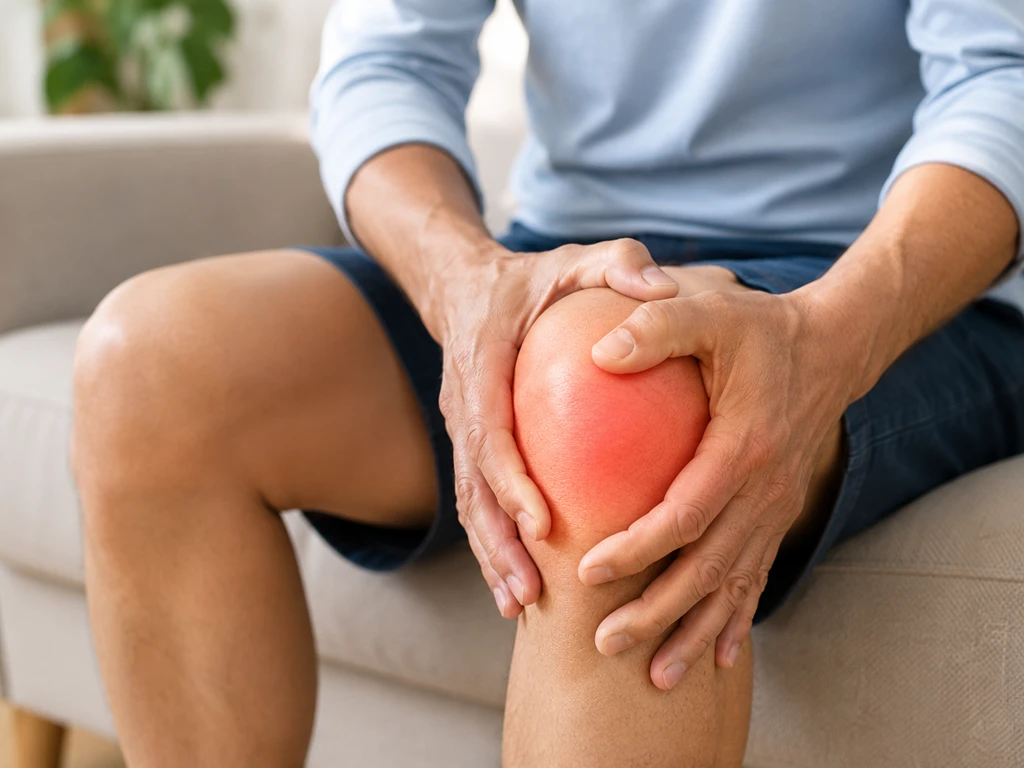
An orthopaedic evaluation can determine whether the problem requires further investigation, conservative treatment or surgery.
Frequently Asked Questions About Knee Arthroscopy Surgery in Thane
When is knee arthroscopy required?
It may be considered for certain meniscus tears, ligament injuries, loose bodies, cartilage problems or other treatable internal knee conditions.
Is knee arthroscopy a major surgery?
Knee arthroscopy uses small incisions and is often performed as day-care surgery. However, complex procedures such as ligament reconstruction remain significant operations requiring careful rehabilitation.
Is knee arthroscopy painful?
Anaesthesia is used during the procedure. Some postoperative pain and swelling are expected and can usually be managed with prescribed treatment.
Can knee arthroscopy treat a meniscus tear?
Yes. Selected meniscus tears can be repaired arthroscopically, while some irreparable symptomatic tears may require partial removal. Many tears do not require surgery.
Is knee arthroscopy used for ACL surgery?
Yes. Arthroscopy is commonly used to assist ACL reconstruction when surgery is appropriate for the patient's instability, activity requirements and associated injuries.
Can knee arthroscopy treat osteoarthritis?
Routine arthroscopy is generally not recommended for uncomplicated degenerative knee arthritis because it does not reverse widespread cartilage damage.
Is knee arthroscopy better than open surgery?
Arthroscopy uses smaller incisions and may reduce tissue disruption for suitable procedures. However, some injuries require open surgery, and the appropriate technique depends on the condition.
Is knee arthroscopy safe?
It is generally a low-risk procedure, but potential complications include infection, blood clots, swelling, stiffness and persistent symptoms.
How soon can I walk after knee arthroscopy?
Some patients can begin walking soon after minor arthroscopic procedures, while others require crutches, a brace or restrictions on weight-bearing after repairs or reconstructions.
Is physiotherapy necessary after knee arthroscopy?
Physiotherapy is often an important part of recovery. It helps restore knee movement, muscle strength, balance and function.
Can I climb stairs after knee arthroscopy?
Stair climbing may be possible relatively early after minor surgery, but the timing depends on pain, muscle control, weight-bearing restrictions and the procedure performed.
Can I return to sports after knee arthroscopy?
Many patients return to sports after rehabilitation, but the timing depends on the injury, procedure and recovery. Clearance should be based on functional assessment rather than a fixed timeline.
Will knee arthroscopy permanently cure knee pain?
Not necessarily. Outcomes depend on the underlying problem, degree of joint damage and treatment suitability. Arthroscopy cannot reverse advanced osteoarthritis.
What is the cost of knee arthroscopy surgery in Thane?
Costs vary according to procedure type, hospital facilities, specialised implants and postoperative requirements. A personalised estimate requires clinical assessment.
Where can I consult an orthopaedic specialist for knee arthroscopy in Thane?
Patients can consult Dr. Girish Dhanawat at his clinic in Naupada, Thane West, for knee evaluation and discussion of appropriate surgical and non-surgical treatment options.
Consult Dr. Girish Dhanawat for Knee Arthroscopy Surgery in Thane
Persistent knee pain, swelling or instability can interfere with everyday movement, work and physical activity.
Dr. Girish Dhanawat provides personalised orthopaedic consultations for patients experiencing knee pain, sports injuries and joint-related problems in Thane.
From clinical assessment and imaging review to treatment planning and rehabilitation guidance, the focus remains on helping patients make informed decisions about their knee health.
Dr. Girish Dhanawat, MBBS, D. Ortho.
Orthopedic Surgeon & Joint Replacement Specialist
Clinic Address: 1st Floor, Office No. 5, Lokmanya Co-Operative Housing Society, 6, Veer Savarkar Marg, Near Gajanan Maharaj Mandir, Naupada, Thane West, Maharashtra – 400602.
Contact: +91 9004700318
Book Your Knee Arthroscopy Consultation