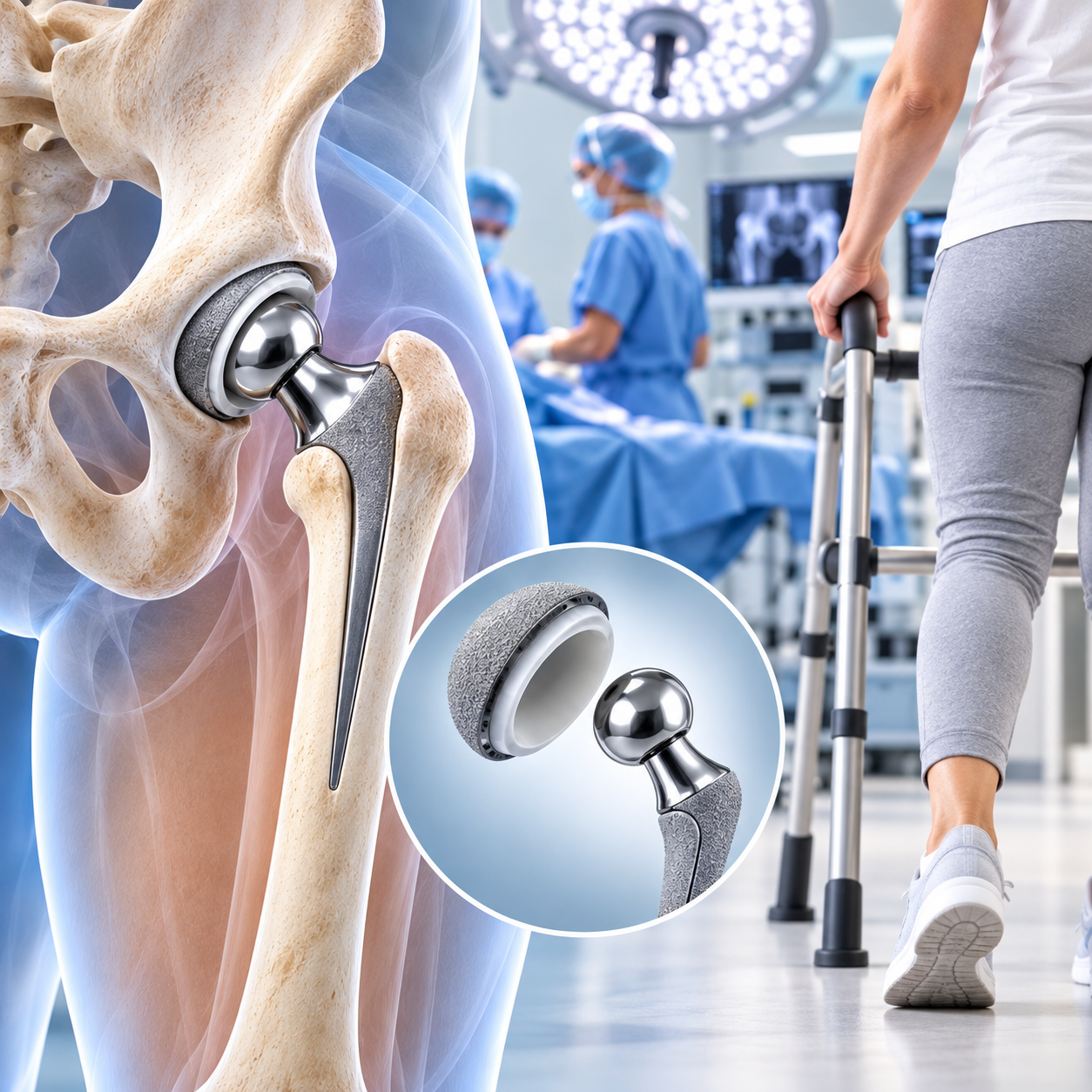
Total Hip Replacement (THR) and Direct Anterior Approach (DAA) Hip Surgery
Hip pain can affect much more than walking. It may make climbing stairs, sitting comfortably, getting out of bed or performing everyday activities difficult. When hip joint damage becomes severe, even simple movements may cause persistent pain and stiffness.
Hip replacement surgery in Thane is a treatment option for patients with advanced hip arthritis, avascular necrosis or other conditions that have significantly damaged the hip joint. The procedure replaces damaged joint surfaces with artificial components to relieve pain and improve mobility.
Dr. Girish Dhanawat, an Orthopedic Surgeon and Joint Replacement Specialist in Thane, provides individualised assessment and treatment for hip joint conditions. His patient-centred approach focuses on accurate diagnosis, appropriate surgical planning, clear communication and rehabilitation.
Modern hip replacement surgery includes different surgical techniques, including conventional Total Hip Replacement (THR) and the Direct Anterior Approach (DAA), a muscle-sparing approach that may offer early recovery advantages in selected patients.
If ongoing hip pain is affecting your independence or quality of life, a detailed orthopaedic consultation can help determine whether hip replacement is appropriate and which surgical approach may suit your condition.
Book a Hip Replacement ConsultationWhat Is Hip Replacement Surgery?
Hip replacement surgery, also called hip arthroplasty, is an orthopaedic procedure that replaces damaged parts of the hip joint with artificial implants.
The hip is a ball-and-socket joint. The ball is formed by the head of the thigh bone (femur), while the socket is part of the pelvis (acetabulum). Healthy cartilage allows these surfaces to move smoothly.
When cartilage wears away or the bone becomes damaged, movement may become painful and restricted.
During total hip replacement, the surgeon removes the damaged femoral head, prepares the socket and places artificial components to reconstruct the joint.
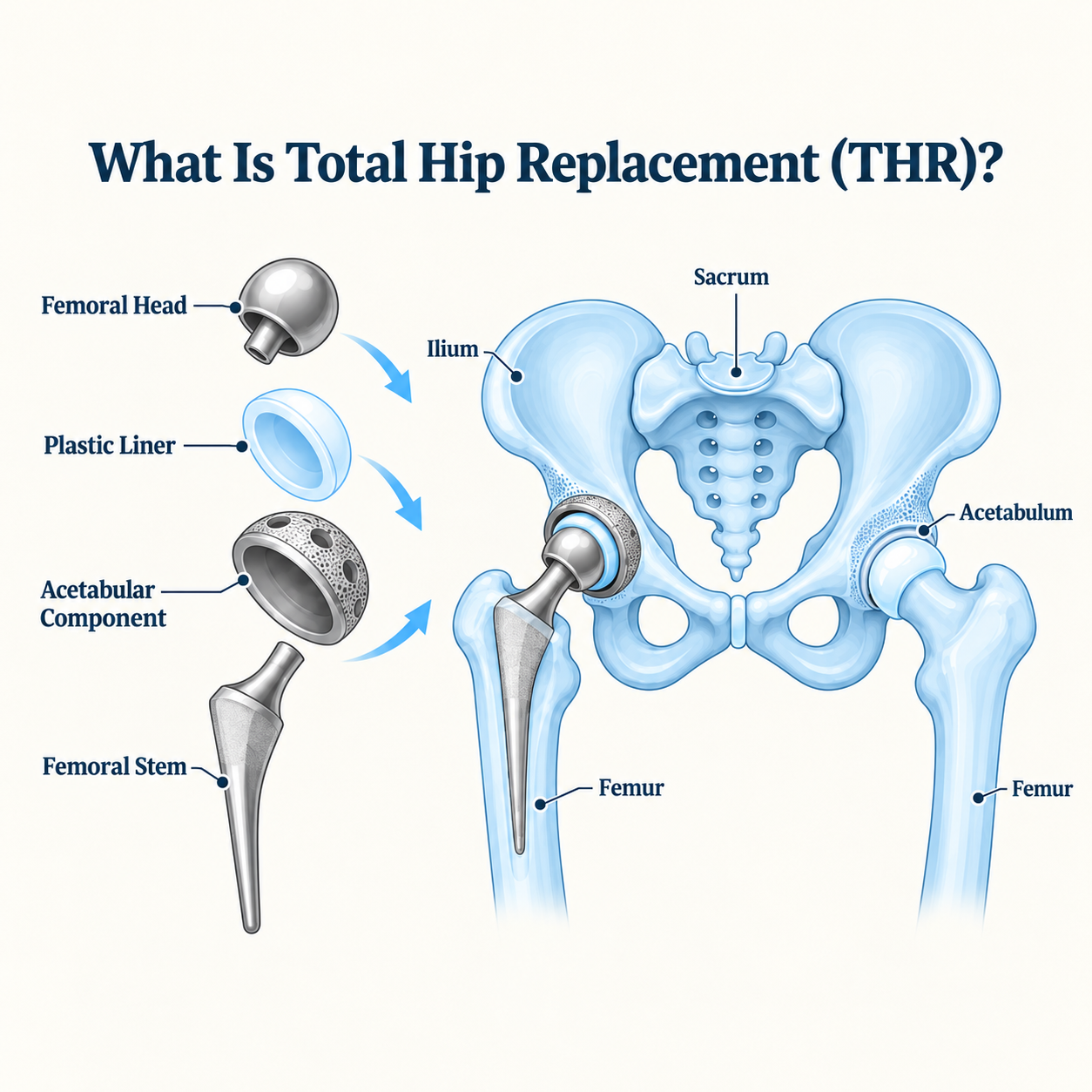
A hip replacement implant typically includes a new ball, a femoral stem, an acetabular cup and a bearing surface or liner.
The main goals of hip replacement surgery are to:
- Reduce chronic hip pain.
- Improve joint movement and walking ability.
- Restore functional independence.
- Correct certain hip deformities where appropriate.
- Improve quality of life when conservative treatments are no longer effective.
The choice of implant and surgical approach depends on factors such as the patient's age, bone quality, anatomy, activity level and underlying hip condition.
What Is Total Hip Replacement (THR)?
Total Hip Replacement (THR) is a surgical procedure in which both the damaged ball and socket surfaces of the hip joint are replaced with artificial components.
It is commonly recommended for advanced hip arthritis when pain, stiffness and reduced movement significantly affect daily activities.
During THR, the surgeon removes the damaged femoral head, prepares the acetabulum and positions prosthetic components to recreate a functional hip joint.
Modern implants may use combinations of metal, ceramic and medical-grade polyethylene. Some implants are fixed using bone cement, while others are designed for biological fixation as bone grows onto or into their surfaces.
Total hip replacement can be performed through different surgical approaches, including posterior, lateral and direct anterior techniques.
The objective is the same: to create a stable, well-positioned hip joint that supports improved mobility and long-term function.
Hip Replacement (THR) via Direct Anterior Approach (DAA)
What Is Direct Anterior Approach Hip Replacement?
Direct Anterior Approach (DAA) Hip Replacement is a technique for performing total hip replacement through an incision at the front of the hip.
Unlike approaches that access the hip from the side or back, DAA uses an anatomical pathway between muscle groups to reach the hip joint.
This muscle-sparing technique aims to preserve important muscles and tendons while allowing the surgeon to remove damaged joint surfaces and position the artificial components.
However, muscle-sparing does not mean completely tissue-damage-free. Some soft-tissue manipulation or release may still be necessary during surgery.
In appropriately selected patients, DAA may offer advantages in early mobility, postoperative discomfort and short-term rehabilitation.
Recent clinical reviews suggest that DAA may provide modest early recovery benefits, although longer-term outcomes are generally comparable with other well-performed hip replacement techniques.
How Is Direct Anterior Approach (DAA) Hip Replacement Performed?
The procedure follows a structured surgical process.
Step 1: Preoperative Hip Evaluation
The surgeon examines the hip joint, walking pattern, range of movement and overall medical condition. X-rays and other investigations may be recommended to assess joint damage and support implant planning.
Step 2: Surgical Planning and Anaesthesia
An appropriate implant and surgical approach are selected. The anaesthesia team determines whether spinal or general anaesthesia is suitable based on the patient's medical condition.
Step 3: Anterior Hip Incision
An incision is made over the front of the hip. The surgeon carefully works between muscle groups to reach the joint while aiming to preserve important surrounding structures.
Step 4: Removal of Damaged Joint Surfaces
The damaged femoral head is removed, and the hip socket is prepared to accommodate the artificial implant.
Step 5: Placement of Hip Implants
The new socket component, femoral stem and artificial ball are inserted. The surgeon checks component positioning, joint stability, movement and leg length.
Step 6: Closure and Early Mobilisation
The surgical wound is closed and the patient begins postoperative monitoring. Assisted walking and physiotherapy are initiated when medically appropriate.
Potential Benefits of Direct Anterior Approach Hip Replacement
1. Muscle-Sparing Surgical Access
DAA uses a pathway between muscles, potentially reducing disruption of certain muscle and tendon attachments compared with some other surgical approaches.
2. Potentially Less Early Postoperative Pain
Some clinical studies have reported lower pain scores during the initial recovery period. However, pain varies between patients, and the difference may diminish over time.
3. Earlier Functional Recovery in Selected Patients
Patients undergoing DAA may experience modest improvements in walking ability and functional recovery during the early weeks after surgery.
4. Shorter Hospital Stay in Some Cases
Certain studies have found slightly shorter average hospital stays following DAA. Actual discharge timing depends on patient fitness, surgical recovery and hospital rehabilitation protocols.
5. Potential Reduction in Some Movement Restrictions
Some surgeons recommend fewer approach-specific movement precautions after DAA than after certain posterior procedures. Patients must still follow their own surgeon's instructions.
6. Support for Accurate Implant Assessment
The supine positioning commonly used in DAA can facilitate intraoperative imaging or assessment of component positioning and leg length when the surgical team uses these techniques.
Clinical perspective: DAA is not automatically the best approach for every patient. Surgical expertise, bone quality, hip deformity, previous surgery and overall medical condition influence the safest and most suitable technique.
Direct Anterior Approach (DAA) vs Conventional Hip Replacement
Both approaches aim to replace damaged hip joint surfaces, relieve pain and restore functional mobility. The main difference is how the surgeon accesses the hip joint.
| Feature | Direct Anterior Approach (DAA) | Traditional Posterior Approach |
|---|---|---|
| Surgical access | Front of the hip | Back of the hip |
| Muscle handling | Uses a pathway between muscle groups | Typically involves detachment and repair of selected short external rotators |
| Early recovery | May be modestly faster | Usually progresses well with rehabilitation |
| Early postoperative pain | May be lower in some patients | Effective pain management is available |
| Implant stability | Depends on positioning and patient factors | Depends on positioning and patient factors |
| Technical complexity | Technically demanding; has a learning curve | Well-established approach |
| Long-term function | Generally comparable | Generally comparable |
| Suitable patients | Depends on anatomy and surgical considerations | Suitable for a wide range of conditions |
The Direct Anterior Approach has potential early recovery benefits, but scientific evidence does not establish it as universally superior to other hip replacement approaches.
Who May Need Hip Replacement Surgery?
Hip replacement may be recommended when joint damage leads to persistent pain, stiffness or restricted movement that does not respond adequately to non-surgical treatment.
1. Advanced Hip Osteoarthritis
Hip osteoarthritis develops when cartilage gradually deteriorates. Patients may experience groin pain, stiffness, reduced movement and discomfort while walking.
2. Avascular Necrosis (AVN) of the Hip
Avascular necrosis occurs when the blood supply to the femoral head becomes impaired, potentially leading to bone damage and collapse.
Advanced AVN may require total hip replacement when the joint can no longer be preserved.
3. Rheumatoid Arthritis
Long-standing inflammatory arthritis can damage the hip joint, causing pain, stiffness and difficulty with daily activities.
4. Hip Fractures
Certain displaced femoral neck fractures may require hip replacement, especially in older adults. Depending on individual circumstances, either partial or total hip replacement may be considered.
5. Post-Traumatic Arthritis
Previous hip injuries or fractures can result in cartilage damage and altered joint alignment, eventually leading to painful arthritis.
6. Severe Hip Deformity
Developmental hip conditions or longstanding structural abnormalities may result in joint degeneration and functional limitations.
Not every patient with hip pain needs surgery. An orthopaedic evaluation can help identify the cause and determine whether medication, physiotherapy, injections, joint-preserving treatment or hip replacement is most appropriate.
Signs You May Need Hip Replacement Surgery
Consult a hip replacement specialist if you experience:
- Persistent pain in the groin, hip, buttock or upper thigh.
- Hip stiffness that makes bending or turning difficult.
- Pain while walking, climbing stairs or standing.
- Difficulty wearing shoes or socks.
- Limping or reduced walking distance.
- Hip pain that interferes with sleep.
- Increasing dependence on walking aids.
- Limited improvement despite appropriate non-surgical treatment.
These symptoms do not necessarily mean hip replacement is required. Dr. Girish Dhanawat assesses their underlying cause through clinical examination and suitable investigations.
How Is the Right Hip Replacement Approach Selected?
The choice between DAA and other hip replacement techniques requires individualised surgical planning.
Important factors include the patient's underlying diagnosis, severity of arthritis, hip anatomy, bone quality, body composition, previous hip procedures, deformity and associated medical conditions.
For example, patients with complex anatomical abnormalities, substantial bone loss or a history of previous hip surgery may require a different surgical approach.
The surgeon also considers the technical requirements of the procedure and their experience with the selected approach.
The goal is not simply to use the newest technique, but to choose an approach that supports safe implant placement, joint stability and dependable recovery.
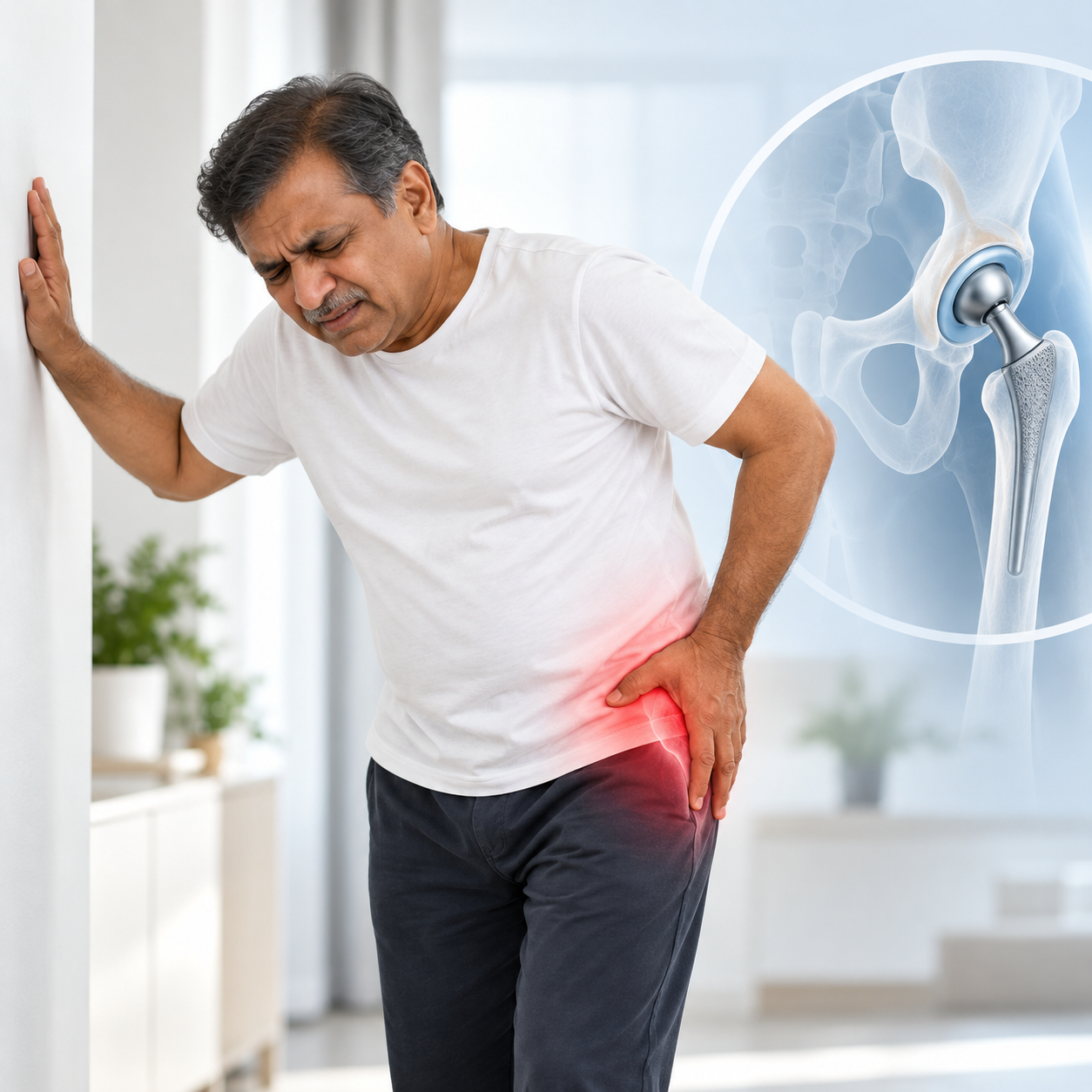
Recovery After Total Hip Replacement Surgery
Recovery after hip replacement depends on the surgical approach, preoperative mobility, general health and individual rehabilitation progress.
First 24–48 Hours
Many patients are encouraged to stand and begin walking with assistance on the day of surgery or the following day, depending on their medical condition.
Pain control, blood clot prevention, assisted movement and initial physiotherapy are important during this period.
First 2 Weeks
Patients focus on wound care, swelling management, safe walking and prescribed exercises.
Walking aids may be required temporarily. Patients should avoid activities that exceed the restrictions recommended by their surgeon.
Weeks 3–6
Walking ability and independence often improve progressively.
Physiotherapy may focus on strengthening the muscles around the hip, improving balance and restoring safe movement.
Some patients may resume selected everyday activities during this period, depending on recovery and medical advice.
Weeks 6–12
Many patients experience meaningful improvements in mobility and comfort. Rehabilitation continues to address walking endurance, muscle strength and functional activities.
Long-Term Recovery
Recovery may continue for several months, with some patients experiencing further improvements for up to a year.
The Direct Anterior Approach may offer early recovery advantages in selected patients, but it does not guarantee immediate mobility or faster recovery for everyone.
What Is the Cost of Hip Replacement Surgery in Thane?
The cost of hip replacement in Thane varies according to the type of surgery, implant, hospital facilities and individual treatment requirements.
Factors influencing the cost include:
- Total or partial hip replacement.
- Direct Anterior Approach or another surgical approach.
- Implant material, design and manufacturer.
- Cemented or cementless fixation.
- Hospital and operating theatre charges.
- Surgeon and anaesthesia fees.
- Preoperative tests and medications.
- Duration of hospitalisation.
- Physiotherapy and rehabilitation.
- Health insurance coverage.
DAA procedures may involve different equipment or operating costs depending on the surgical facility.
A personalised cost estimate can be provided once the surgeon has evaluated the hip condition and selected an appropriate treatment plan.
Patients should confirm which services are included in the hospital package and whether their insurance policy covers the proposed procedure.
Why Consult Dr. Girish Dhanawat for Hip Replacement in Thane?
Orthopaedic and Joint Replacement Expertise
Dr. Girish Dhanawat, MBBS, D. Ortho., is an Orthopedic Surgeon and Joint Replacement Specialist in Thane, with a clinical focus on hip and knee problems, joint replacement and other orthopaedic conditions.
Accurate Diagnosis and Individualised Planning
Hip pain can arise from arthritis, muscle problems, injuries, spinal conditions or other causes. Treatment recommendations begin with identifying the underlying problem rather than immediately recommending surgery.
Discussion of Modern Surgical Techniques
Patients considering total hip replacement can discuss the available surgical approaches, including conventional techniques and the suitability of the Direct Anterior Approach, subject to the surgeon's confirmed procedural offering.
Patient-Centred Communication
Dr. Dhanawat focuses on explaining the diagnosis, treatment alternatives, possible risks and recovery expectations in a manner that supports informed decision-making.
Rehabilitation and Follow-Up Guidance
Hip replacement care also involves postoperative recovery, rehabilitation and long-term assessment of joint function.
His approach emphasises suitable treatment selection and patient well-being rather than unnecessary intervention.
Frequently Asked Questions About Hip Replacement in Thane
What is the best treatment for severe hip arthritis?
Treatment depends on arthritis severity and symptoms. Mild to moderate cases may respond to medication, physiotherapy and activity modification. Total hip replacement may be considered when severe joint damage causes persistent pain and disability despite appropriate non-surgical treatment.
What is Total Hip Replacement (THR)?
Total Hip Replacement is a procedure in which the damaged ball and socket surfaces of the hip joint are replaced with artificial components. Its main purpose is to relieve pain and improve joint movement.
What is Direct Anterior Approach (DAA) hip replacement?
DAA is a surgical technique used in total hip replacement where the hip is accessed through the front of the body, generally using a pathway between muscle groups. It may offer early recovery benefits in appropriately selected patients.
Is DAA hip replacement better than conventional hip replacement?
DAA may offer modest advantages in early postoperative pain and functional recovery. However, long-term results are generally comparable with other established approaches. The most suitable technique depends on individual factors and surgeon experience.
Is Direct Anterior Approach hip replacement less painful?
Some patients may experience less discomfort during the early postoperative period, but pain levels vary. Appropriate anaesthesia, pain management and rehabilitation remain important regardless of surgical approach.
How long does it take to walk after hip replacement surgery?
Many patients begin assisted walking on the day of surgery or within 24 hours. The timing depends on their medical condition, surgical recovery and physiotherapy assessment.
How long does recovery take after hip replacement?
Many patients improve substantially over 6–12 weeks, but full recovery of strength, endurance and mobility may continue for several months or longer. Rehabilitation and individual health factors affect the timeline.
How long does a total hip replacement implant last?
Many modern hip replacements last 15–20 years or longer. Implant longevity depends on several factors, including implant type, surgical positioning, activity level and patient health.
Can both hips be replaced?
Yes. Bilateral hip replacement can be considered in selected patients with severe disease affecting both hips. Surgery may be performed in stages or, less commonly, during the same operation, depending on medical fitness and surgical assessment.
What is the cost of total hip replacement in Thane?
Costs depend on the implant, surgical technique, hospital, duration of stay and medical requirements. A detailed estimate is generally provided after evaluation and surgical planning.
Who is eligible for Direct Anterior Approach hip replacement?
Eligibility depends on hip anatomy, bone condition, body composition, previous operations and surgical complexity. An orthopaedic surgeon must evaluate these factors before recommending DAA.
Where can I consult a hip replacement surgeon in Thane?
Patients can consult Dr. Girish Dhanawat, Orthopedic Surgeon and Joint Replacement Specialist, in Naupada, Thane West, for hip pain evaluation, hip arthritis treatment and discussions about total hip replacement options.
Consult Dr. Girish Dhanawat for Hip Replacement in Thane
Persistent hip pain should not prevent you from enjoying everyday activities or maintaining independence. With appropriate evaluation, patients can understand the cause of their discomfort and explore treatments suited to their condition.
Dr. Girish Dhanawat provides individualised orthopaedic consultation in Thane for hip arthritis, avascular necrosis, joint deterioration and hip replacement planning.
Whether you are considering conventional Total Hip Replacement (THR) or exploring Direct Anterior Approach (DAA) hip replacement, a detailed consultation is the first step towards understanding your treatment options.
Dr. Girish Dhanawat MBBS, D. Ortho. Orthopedic Surgeon & Joint Replacement Specialist in Thane
Clinic Address: 1st Floor, Office No. 5, Lokmanya Co-Operative Housing Society, 6, Veer Savarkar Marg, Near Gajanan Maharaj Mandir, Naupada, Thane West, Maharashtra – 400602.
Contact: +91 9004700318
Schedule Your Hip Replacement Consultation