
Comprehensive Joint Pain Evaluation and Orthopaedic Care by Dr. Girish Dhanawat
Joint pain can make simple everyday activities difficult. Walking to the market, climbing stairs, getting up from a chair or reaching for something on a shelf may become uncomfortable when your joints are painful, stiff or swollen.
While occasional joint discomfort may improve with rest and activity modification, persistent or recurring joint pain can indicate an underlying condition that requires medical attention.
Joint pain may develop because of osteoarthritis, inflammatory arthritis, sports injuries, ligament damage, tendon problems, previous fractures or other musculoskeletal conditions.
At the Joint Pain Clinic in Thane, Dr. Girish Dhanawat, an Orthopedic Surgeon and Joint Replacement Specialist in Thane, provides individualised assessment and treatment planning for patients experiencing knee, hip, shoulder and other joint-related problems.
The aim of joint pain management is not simply to provide temporary relief. It is to identify the underlying cause, reduce discomfort, maintain joint movement and help patients continue their everyday activities safely.
Depending on the diagnosis, treatment may involve physiotherapy, medication, exercise modification, weight management, selected injections or surgical evaluation.
If ongoing joint pain is affecting your movement, sleep or quality of life, an orthopaedic consultation can help determine the most appropriate treatment.
Book a Joint Pain ConsultationWhat Is a Joint Pain Clinic?
A joint pain clinic focuses on diagnosing and managing conditions that cause pain, stiffness, swelling or restricted movement in the joints.
Joints are the areas where two or more bones meet. They allow the body to perform movements such as walking, bending, lifting, turning and gripping objects.
Healthy joints rely on cartilage, ligaments, tendons, muscles and joint fluid to support smooth and controlled movement.
When one or more of these structures becomes inflamed, damaged or weakened, joint discomfort and movement difficulties may develop.
A joint pain clinic aims to:
- Identify the underlying cause of joint pain
- Evaluate joint movement and stability
- Diagnose arthritis and musculoskeletal injuries
- Provide personalised non-surgical treatment
- Recommend physiotherapy and strengthening exercises
- Manage pain and inflammation
- Evaluate the need for injections or other procedures
- Identify patients who may benefit from surgery
- Support mobility and everyday function
- Reduce avoidable long-term disability
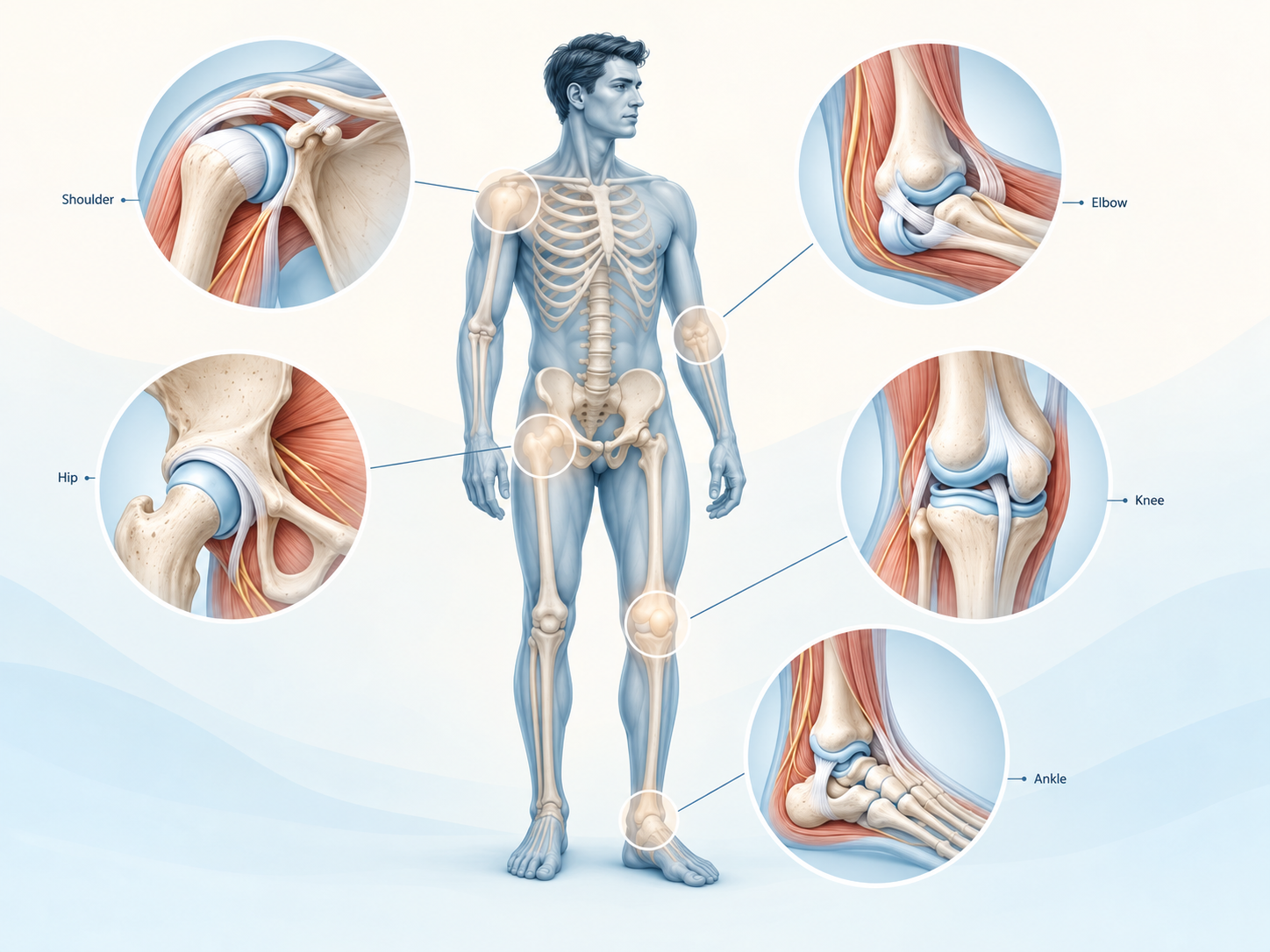
Not every patient with joint pain requires surgery.
Many joint conditions can be managed effectively through appropriate exercise, rehabilitation, medications and lifestyle changes.
Which Joint Problems Are Evaluated at a Joint Pain Clinic?
Joint pain can affect one joint or multiple joints and may develop gradually or suddenly.
1. Knee Pain
Knee pain is one of the most common reasons patients visit an orthopaedic clinic.
It may develop because of:
- Knee osteoarthritis
- Meniscus injuries
- Ligament sprains or tears
- Patellofemoral pain
- Tendon problems
- Previous fractures
- Inflammatory joint conditions
Patients may experience pain while walking, climbing stairs, squatting or standing after prolonged sitting.
Treatment depends on the underlying diagnosis, symptom severity and functional limitations.
2. Hip Pain
Hip pain may be felt in the groin, outer thigh, buttock or surrounding region.
Common causes include:
- Hip osteoarthritis
- Avascular necrosis
- Tendon disorders
- Greater trochanteric pain syndrome
- Hip impingement
- Previous hip injuries
- Certain fractures
Hip problems can make walking, bending, sitting and putting on footwear difficult.
Some patients may experience pain that travels towards the thigh or knee.
3. Shoulder Pain
Shoulder pain can interfere with activities such as lifting the arm, dressing, combing hair or sleeping on the affected side.
Possible causes include:
- Rotator cuff injuries
- Frozen shoulder
- Shoulder arthritis
- Tendinitis
- Bursitis
- Shoulder instability
- Sports-related injuries
Treatment may include physiotherapy, exercise modification, medication or selected procedures.
4. Ankle and Foot Joint Pain
Pain around the ankle and foot can affect balance and walking.
Possible causes include ankle sprains, arthritis, tendon injuries, previous fractures or other structural problems.
Treatment depends on the injured tissues, joint stability and underlying condition.
5. Wrist and Elbow Joint Pain
Wrist and elbow discomfort may occur due to repetitive activities, injuries, arthritis or tendon disorders.
Symptoms can make gripping, lifting and other everyday movements difficult.
6. Multiple Joint Pain
Some patients experience pain and stiffness affecting several joints.
Possible causes include:
- Rheumatoid arthritis
- Other inflammatory arthritis conditions
- Crystal arthritis, including gout
- Systemic inflammatory diseases
- Certain infections
- Age-related degenerative joint changes
Multiple swollen joints, prolonged morning stiffness or symptoms involving other body systems may require assessment by a rheumatologist.
Common Causes of Joint Pain
Joint pain can have several causes. Understanding the underlying condition is essential for effective treatment.
1. Osteoarthritis
Osteoarthritis is a common joint condition involving changes to cartilage, bone and other joint tissues.
It frequently affects the knees, hips and hands.
Symptoms may include:
- Pain during movement
- Joint stiffness
- Reduced flexibility
- Difficulty walking
- Swelling during symptom flare-ups
- Grinding or clicking sensations
Osteoarthritis becomes more common with age, but younger adults may also develop it, particularly following injuries.
Treatment usually begins with therapeutic exercise, education, weight management when appropriate and other non-surgical measures.
2. Rheumatoid Arthritis
Rheumatoid arthritis is an autoimmune inflammatory condition that can cause painful, swollen and stiff joints.
It frequently affects multiple joints and may cause prolonged morning stiffness.
Early diagnosis and disease-modifying treatment under a rheumatologist are important to reduce inflammation and limit joint damage.
Orthopaedic care may be needed for selected structural complications.
3. Sports Injuries
Sports-related injuries can damage the ligaments, tendons, cartilage or other joint structures.
Common examples include:
- ACL injuries
- Meniscus tears
- Shoulder instability
- Ankle sprains
- Cartilage injuries
Treatment may involve activity modification, physiotherapy, bracing or surgery in selected cases.
4. Tendinitis and Bursitis
Tendinitis involves irritation or inflammation of a tendon, while bursitis affects small fluid-filled sacs that reduce friction around joints.
These conditions may cause pain during repetitive movement or pressure on the affected area.
5. Gout and Crystal Arthritis
Gout occurs when urate crystals accumulate in and around joints, triggering painful inflammatory attacks.
Patients may experience sudden severe pain, redness, warmth and swelling.
Medical evaluation is important because a hot, swollen joint can also indicate an infection.
6. Previous Joint Injuries
Fractures, ligament damage and significant cartilage injuries may contribute to persistent symptoms or post-traumatic arthritis.
Some patients develop joint pain months or years after the original injury.
7. Avascular Necrosis
Avascular necrosis occurs when the blood supply to part of a bone is disrupted.
It commonly affects the femoral head in the hip.
Progressive damage can lead to joint collapse and secondary arthritis.
Early diagnosis is important because treatment options depend on the disease stage.
8. Joint Infection
Septic arthritis is an infection inside a joint that may cause severe pain, warmth, swelling, fever and difficulty moving the joint.
A suspected infected joint is a medical emergency requiring immediate hospital evaluation.
Common Symptoms of Joint Problems
Symptoms vary depending on the affected joint and underlying condition.
Common warning signs include:
- Persistent joint pain
- Joint swelling
- Morning stiffness
- Pain during walking or movement
- Difficulty bending or straightening a joint
- Reduced range of movement
- Joint warmth or tenderness
- Clicking or grinding sensations
- Joint instability or giving way
- Difficulty performing everyday activities
- Pain that interferes with sleep
- Recurrent discomfort following exercise
Some symptoms develop gradually, while others appear suddenly after an injury.
Pain alone does not always indicate the severity of joint damage. A clinical examination is needed to determine the cause.
When Should You Visit a Joint Pain Clinic in Thane?
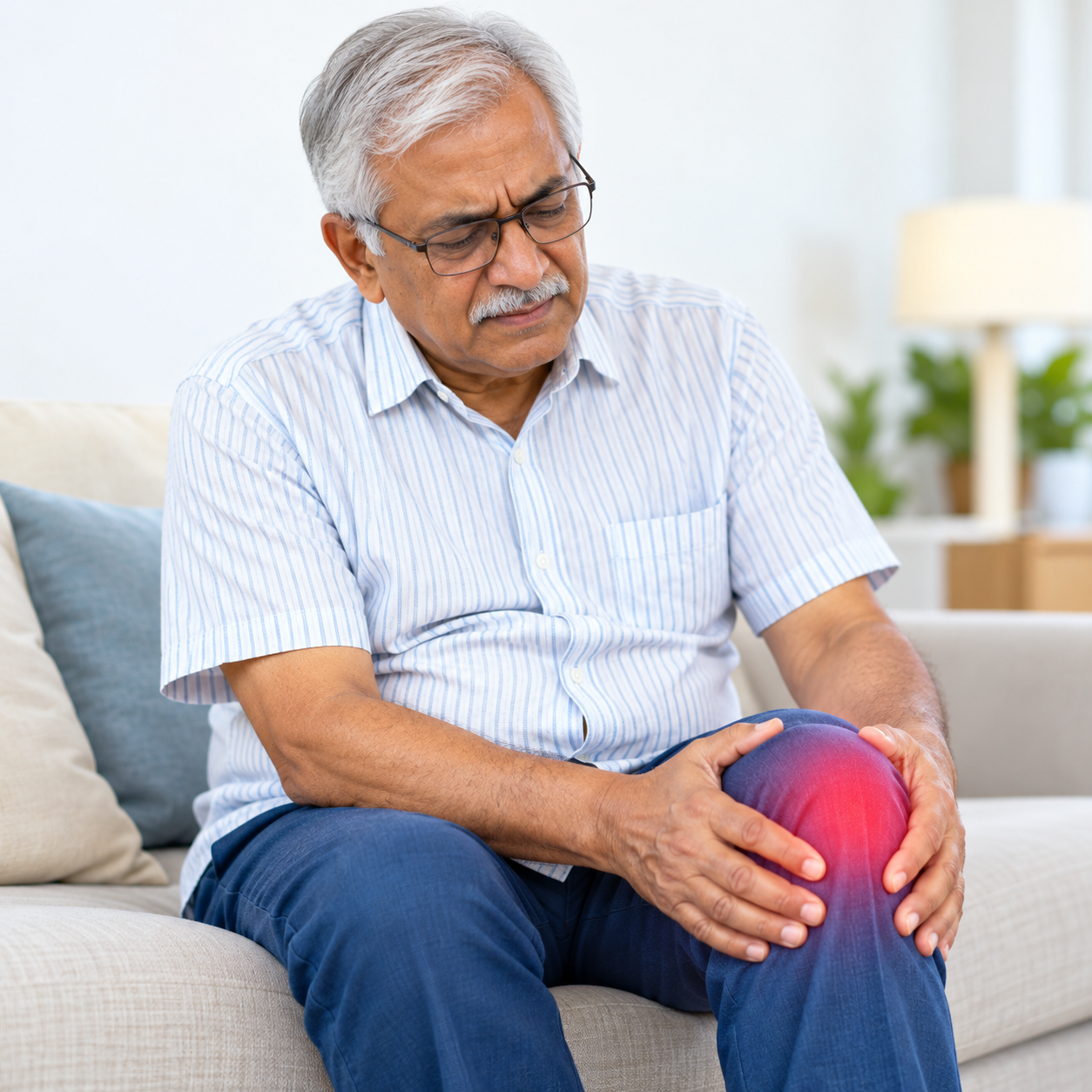
Consider consulting an orthopaedic specialist if you experience:
- Joint pain that persists or repeatedly returns.
- Pain that interferes with walking, work or daily activities.
- Morning stiffness or difficulty starting movement.
- Recurrent joint swelling.
- Difficulty climbing stairs or getting out of a chair.
- Reduced joint movement.
- Pain after a sports injury or fall.
- Joint instability or locking.
- Pain that does not improve with appropriate initial care.
- Increasing difficulty performing normal activities.
When Is Joint Pain an Emergency?
Seek urgent hospital assessment if you have:
- A suddenly hot, swollen and very painful joint, particularly with fever
- Severe pain or inability to bear weight after an injury
- Visible joint deformity
- A cold, pale or numb limb
- A significant open wound near a joint
- Rapidly worsening pain and swelling
These symptoms may indicate a serious injury, infection or circulation problem.
How Is Joint Pain Diagnosed?
Joint pain diagnosis begins with understanding symptoms, examining the affected joint and identifying possible underlying conditions.
Step 1: Detailed Medical History
Dr. Girish Dhanawat evaluates:
- Location and duration of pain
- Activities that worsen symptoms
- Previous injuries
- Morning stiffness
- Swelling or instability
- Existing medical conditions
- Previous treatments
- Functional limitations
Step 2: Physical Examination
The examination may include assessment of:
- Joint movement
- Tenderness
- Swelling
- Alignment
- Stability
- Muscle strength
- Walking pattern
- Specific clinical signs
Step 3: X-Ray Examination
X-rays may help assess bone alignment, fractures, joint-space changes and certain features of arthritis.
Routine imaging is not required for every patient with typical osteoarthritis.
Step 4: MRI Scan
MRI may be recommended when internal joint structures such as cartilage, ligaments or tendons need further evaluation.
It can be useful for selected sports injuries and unexplained joint symptoms.
Step 5: Ultrasound Examination
Musculoskeletal ultrasound may help assess selected tendon, bursal and soft-tissue conditions.
It can also assist with certain guided procedures.
Step 6: Blood Tests
Blood tests may be recommended if inflammatory arthritis, infection or another systemic condition is suspected.
Step 7: Joint Fluid Analysis
For certain swollen joints, fluid may be withdrawn and tested for infection, crystals or inflammatory findings.
Step 8: Personalised Treatment Planning
The doctor reviews clinical findings and investigation results before discussing the most appropriate treatment options.
Non-Surgical Joint Pain Treatment Options
Non-surgical management is often the first treatment approach for patients with joint pain.
1. Physiotherapy and Rehabilitation
Physiotherapy helps restore movement, improve muscle strength and support joint stability.
A rehabilitation programme may include:
- Joint mobility exercises
- Muscle strengthening
- Balance training
- Walking exercises
- Flexibility training
- Functional movement training
Exercise programmes should be tailored to the affected joint and diagnosis.
2. Therapeutic Exercise
Regular, appropriate physical activity is important for maintaining joint health.
Depending on the condition, recommended activities may include walking, cycling, swimming and strengthening exercises.
Patients with osteoarthritis may benefit from consistent exercise even if mild discomfort occurs initially.
The goal is to improve strength and function without unnecessarily overloading the injured joint.
3. Weight Management
Excess body weight can increase mechanical loading on weight-bearing joints, particularly the knees and hips.
For patients living with overweight or obesity, gradual weight reduction may help reduce symptoms and improve mobility.
Weight management should be combined with appropriate exercise and nutrition guidance.
4. Pain-Relieving Medication
Medication may be recommended to reduce pain and inflammation.
Treatment options may include:
- Topical anti-inflammatory medication
- Selected oral anti-inflammatory medication
- Other appropriate pain-relieving medicines
The choice depends on the diagnosis and individual medical history.
Anti-inflammatory medication may not be suitable for patients with certain kidney, heart or gastrointestinal conditions.
5. Activity Modification
Some patients benefit from temporarily reducing activities that aggravate their symptoms.
Examples include:
- Avoiding repetitive deep squatting during painful flare-ups
- Reducing high-impact exercise temporarily
- Taking regular movement breaks
- Modifying lifting techniques
- Gradually increasing activity levels
Complete inactivity is generally not recommended for uncomplicated osteoarthritis.
6. Assistive Devices
Selected patients may benefit from walking sticks, braces or other aids.
These devices may improve confidence, reduce loading or provide additional stability when appropriately prescribed.
Not every patient needs a brace or support.
7. Patient Education and Self-Management
Understanding the diagnosis can help patients manage symptoms more effectively.
Patients may receive guidance on:
- Safe physical activity
- Pain flare-up management
- Home exercises
- Joint protection
- Expected recovery
- When to seek further medical review
Joint Injections for Pain Management
Certain joint conditions may be treated with injections when clinically appropriate.
1. Corticosteroid Injections
Corticosteroid injections may provide short-term relief from inflammation and pain in selected patients.
For osteoarthritis, the benefit is generally temporary.
Repeated injections are not suitable for every patient and require consideration of potential risks.
2. Hyaluronic Acid Injections
Hyaluronic acid injections are sometimes offered for knee osteoarthritis.
However, evidence of meaningful benefit is inconsistent, and some major clinical guidelines recommend against their routine use.
They should not be presented as a guaranteed or cartilage-restoring treatment.
3. Platelet-Rich Plasma (PRP) Injections
PRP uses a preparation derived from the patient's own blood.
It is being studied and used in selected musculoskeletal conditions.
Evidence varies by condition and preparation method, and routine use for osteoarthritis is not supported by all major guidelines.
Patients should be informed about uncertainties regarding benefits, costs and long-term outcomes.
4. Other Injection-Based Treatments
Additional injection treatments may be discussed in certain circumstances.
Suitability depends on the diagnosis, clinical evidence, safety considerations and availability.
Important: Joint injections do not replace appropriate exercise, rehabilitation or definitive treatment when these are necessary.
When Is Surgery Recommended for Joint Pain?
Many joint conditions can be managed without surgery.
However, surgical evaluation may be appropriate when significant structural damage causes persistent symptoms and functional limitations.
Factors considered include:
- Severity of joint damage
- Persistent pain despite appropriate treatment
- Reduced mobility
- Progressive joint deformity
- Instability due to structural injury
- Mechanical joint problems
- Impact on everyday life
- Overall medical fitness
- Patient preferences and treatment goals
Surgical Options for Selected Patients
Knee Arthroscopy
Arthroscopy may be used for certain meniscus tears, ligament injuries and other surgically treatable intra-articular knee problems.
It is not routinely recommended for uncomplicated degenerative osteoarthritis.
Knee Replacement Surgery
Total or partial knee replacement may be considered for patients with advanced knee arthritis and substantial functional limitations despite appropriate non-surgical management.
Hip Replacement Surgery
Hip replacement may be recommended for selected patients with severe hip arthritis, advanced avascular necrosis or certain hip fractures.
Fracture Fixation Surgery
Fractures causing joint instability or significant displacement may require surgical stabilisation.
Other Orthopaedic Procedures
Treatment depends on the affected joint and underlying condition.
The need for surgery is determined after appropriate evaluation.
Joint Pain Treatment: Non-Surgical vs Surgical Care
| Feature | Non-Surgical Treatment | Surgical Treatment |
|---|---|---|
| Main purpose | Manage symptoms and improve function | Correct or replace selected damaged structures |
| Common indications | Mild to moderate symptoms and many chronic joint conditions | Significant structural damage or persistent functional limitations |
| Treatment methods | Exercise, physiotherapy, medication, selected injections | Arthroscopy, fixation or joint replacement |
| Hospital admission | Usually not required | Depends on the operation |
| Recovery | Varies with the condition | Depends on the procedure and rehabilitation |
| Risks | Medication and treatment-specific risks | Anaesthesia, infection, blood clots and procedure-specific risks |
| Long-term management | Exercise and self-management remain important | Rehabilitation and ongoing joint care remain important |
Treatment should be based on the diagnosis rather than the assumption that more invasive care provides better results.
Joint Pain Treatment for Different Age Groups
Joint Pain in Young Adults
Younger adults may experience joint problems due to sports injuries, overuse, ligament damage or inflammatory conditions.
Treatment often focuses on identifying the specific injury, restoring strength and helping patients return safely to physical activity.
Joint Pain in Middle-Aged Adults
Joint pain during middle age may be associated with early osteoarthritis, previous injuries, muscle weakness or increased activity demands.
Targeted exercise and appropriate treatment may help preserve mobility.
Joint Pain in Older Adults
Older adults may experience osteoarthritis, reduced muscle strength, previous joint injuries or fragility-related fractures.
Management focuses on maintaining independence, preventing falls, improving mobility and assessing whether additional treatment is necessary.
Age alone does not determine whether surgery is appropriate.
Benefits of Early Joint Pain Evaluation
Timely assessment can help patients understand their condition and avoid unnecessary delays in treatment.
Identification of the Underlying Cause
Different joint disorders require different treatments.
A clear diagnosis helps avoid inappropriate medication or unnecessary procedures.
Improved Pain Management
Suitable treatment may reduce discomfort and improve participation in everyday activities.
Better Joint Movement
Physiotherapy and rehabilitation can help maintain flexibility, strength and functional movement.
Reduced Risk of Selected Complications
Early recognition of certain injuries and inflammatory conditions may reduce the likelihood of avoidable joint damage.
Individualised Treatment Planning
Patients can discuss treatment options suited to their health, mobility needs and personal goals.
Improved Quality of Life
Effective management may make everyday tasks, family activities and physical exercise more comfortable.
Early assessment does not guarantee prevention of arthritis or future surgery, but it supports informed treatment decisions.
Joint Pain Management and Recovery Timeline
There is no single recovery timeline for every joint condition.
Progress depends on the diagnosis, symptom duration, severity and treatment plan.
First 1–2 Weeks
Initial management may focus on:
- Identifying the cause
- Reducing painful aggravating activities
- Beginning appropriate exercises
- Managing inflammation
- Establishing a treatment plan
Weeks 3–6
Some patients begin noticing improved movement, confidence and tolerance for activity.
Exercises may be progressed according to symptoms and functional ability.
Weeks 6–12
Strengthening and rehabilitation may lead to further functional improvements.
Patients with chronic osteoarthritis often benefit from sustained exercise rather than short treatment courses alone.
Three to Six Months
Long-term treatment may focus on maintaining strength, improving endurance and managing recurrent symptoms.
Patients with structural injuries or inflammatory disease may require a different care plan.
Long-Term Joint Care
Ongoing exercise, symptom monitoring and follow-up when needed may help support joint function.
Improvement varies, and some conditions require longer-term specialist management.
Daily Habits That Can Help Manage Joint Pain
Small changes in everyday routines may support joint comfort and mobility.
1. Stay Physically Active
Choose activities appropriate for your condition and gradually build activity.
2. Strengthen Supporting Muscles
Strong muscles help support joints and improve control during movement.
3. Maintain an Appropriate Body Weight
Weight management may reduce joint loading and improve symptoms in some patients.
4. Avoid Sudden Activity Increases
Increase exercise intensity and duration gradually to reduce the likelihood of overload.
5. Take Movement Breaks
Avoid remaining in one position for prolonged periods if it worsens stiffness.
6. Use Appropriate Footwear
Supportive footwear may improve comfort during daily activities, depending on the condition.
7. Follow Your Rehabilitation Programme
Consistent exercise is usually more useful than performing intensive exercises irregularly.
8. Seek Medical Evaluation for Persistent Symptoms
Do not rely indefinitely on painkillers or home remedies when symptoms continue or worsen.
What Is the Cost of Joint Pain Treatment in Thane?
The cost of treatment at a joint pain clinic in Thane varies according to the underlying condition and treatment requirements.
Consultation and Clinical Evaluation
The initial consultation includes assessment of symptoms, examination and treatment planning.
Diagnostic Investigations
Some patients may require X-rays, MRI scans, ultrasound or blood tests.
Physiotherapy
Costs depend on the number of sessions, rehabilitation requirements and treatment duration.
Medication
Expenses vary according to the prescribed medicines and duration of treatment.
Joint Injections
Selected injections may involve medication, procedure and imaging-guidance charges.
Surgical Treatment
Patients requiring arthroscopy, fracture surgery or joint replacement may have additional expenses related to hospitalisation, implants and rehabilitation.
Follow-Up Care
Some conditions require periodic reviews to assess symptom improvement and adjust treatment.
Insurance Coverage
Coverage depends on the diagnosis, treatment and individual insurance policy.
Consultations and routine outpatient treatments may not be covered under every policy.
Patients should confirm applicable charges and insurance benefits before starting treatment.
Why Consult Dr. Girish Dhanawat for Joint Pain Treatment in Thane?
Choosing an orthopaedic specialist involves understanding your diagnosis, available treatment options and long-term mobility needs.
Orthopaedic and Joint Replacement Care
Dr. Girish Dhanawat, MBBS, D. Ortho., is an Orthopedic Surgeon and Joint Replacement Specialist in Thane who provides clinical evaluation of knee, hip and other orthopaedic conditions.
Individualised Assessment
Every patient's symptoms, activity level, medical history and functional requirements are different.
Treatment recommendations are based on these individual factors.
Focus on Appropriate Treatment Selection
Not every patient with joint pain requires an injection or operation.
Non-surgical treatments may be recommended when they are suitable for the diagnosis.
Knee and Hip Joint Evaluation
Patients experiencing knee or hip pain can discuss possible causes, diagnostic requirements and treatment options.
Patient Education
Clear explanations of the diagnosis, expected outcomes, treatment limitations and potential risks help patients make informed decisions.
Rehabilitation and Long-Term Mobility
Management focuses on improving function and helping patients maintain safe, sustainable physical activity.
When Should You Consult a Joint Pain Specialist in Thane?
Consider scheduling a joint pain consultation if you experience:
- Persistent knee or hip pain
- Joint pain affecting daily activities
- Difficulty climbing stairs
- Morning joint stiffness
- Recurrent swelling
- Shoulder pain that limits arm movement
- Joint instability
- Pain following an old injury
- Difficulty standing from a chair
- Joint pain that affects sleep
- Increasing reliance on pain medication
- Insufficient improvement despite appropriate treatment
An orthopaedic consultation can help determine whether additional tests, rehabilitation, medication or specialist treatment are necessary.
Frequently Asked Questions About Joint Pain Clinic in Thane
What is a joint pain clinic?
A joint pain clinic provides evaluation and management of joint pain, stiffness, swelling and mobility problems. Treatment may include physiotherapy, medication, lifestyle modifications, selected injections or surgical assessment.
What are the common causes of joint pain?
Common causes include osteoarthritis, injuries, tendon disorders, inflammatory arthritis, gout and certain infections. The cause depends on symptoms, examination findings and appropriate investigations.
Can joint pain be treated without surgery?
Yes. Many joint conditions can be managed through physiotherapy, therapeutic exercise, medication, activity modification and other appropriate non-surgical treatments.
What is the best treatment for knee joint pain?
The best treatment depends on the diagnosis. Knee osteoarthritis is commonly managed with exercise, strengthening, weight management when appropriate and selected medication. Significant structural injuries may require different treatment.
What causes hip joint pain?
Hip pain may occur because of osteoarthritis, avascular necrosis, tendon conditions, impingement, fractures or other disorders. Clinical evaluation helps distinguish these conditions.
Can physiotherapy reduce joint pain?
Yes. Appropriate physiotherapy can improve muscle strength, movement and function in many joint conditions, particularly osteoarthritis and selected injuries.
Is PRP treatment useful for joint pain?
Evidence for PRP varies by condition, and results are not consistently predictable. Patients should discuss the potential benefits, limitations and costs before choosing treatment.
Does joint pain always mean arthritis?
No. Joint pain can occur due to ligament injuries, tendon problems, fractures, inflammatory conditions, infections and other causes.
Is walking good for joint pain?
Walking may be beneficial for many patients, including those with osteoarthritis. However, the appropriate activity level depends on the diagnosis and severity of symptoms.
When is joint replacement necessary?
Joint replacement may be considered when advanced joint damage causes substantial pain or functional limitations and appropriate non-surgical treatment is ineffective or unsuitable.
Do I need an MRI for joint pain?
Not always. Many joint conditions can be evaluated through history, physical examination and selected X-rays. MRI is used when additional structural information is likely to influence treatment.
Can joint pain be completely cured?
Some injuries and temporary inflammatory conditions resolve with appropriate treatment. Chronic conditions such as osteoarthritis often require long-term symptom management rather than a permanent cure.
What are the warning signs of serious joint problems?
A suddenly hot, swollen and painful joint, especially with fever, requires urgent medical assessment. Severe pain after trauma, deformity or inability to bear weight also warrants prompt evaluation.
How long does joint pain treatment take?
The duration varies according to the underlying condition. Some injuries improve within weeks, while chronic arthritis and other disorders may require longer-term management.
Where can I consult a joint pain specialist in Thane?
Patients can consult Dr. Girish Dhanawat, Orthopedic Surgeon and Joint Replacement Specialist, at his clinic in Naupada, Thane West, for joint pain evaluation and treatment planning.
Consult Dr. Girish Dhanawat at the Joint Pain Clinic in Thane
Joint pain affecting your daily routine? Consult Dr. Girish Dhanawat for personalised assessment, treatment planning and guidance to improve mobility.
Dr. Girish Dhanawat, MBBS, D. Ortho.
Orthopedic Surgeon & Joint Replacement Specialist
Clinic Address: 1st Floor, Office No. 5, Lokmanya Co-Operative Housing Society, 6, Veer Savarkar Marg, Near Gajanan Maharaj Mandir, Naupada, Thane West, Maharashtra – 400602.
Contact: +91 9004700318
Book Your Joint Pain Consultation